Income Multiplier Bundle: 4-Part Plan for Extra Income

The Income Multiplier Bundle: A Practical 4-Part Plan for Building More Than One Income Source
Relying on a single paycheck can make setbacks feel bigger than they need to be. A simple way to reduce that risk is to combine complementary income paths—cash-flowing skills, repeatable side work, and long-term investing—into one coordinated plan. The Income Multiplier Bundle packages these pieces into a 4-in-1 framework focused on multiple income streams, dividend stocks, side hustles, and an overall strategy for putting it all together.
What the bundle is designed to help with
- Creating a clear income mix: near-term cash flow plus long-term compounding
- Choosing side hustles that match available time, skills, and startup cost
- Understanding how dividend investing fits into a broader plan (and where it doesn’t)
- Turning scattered ideas into a repeatable weekly system with tracking and milestones
Instead of collecting disconnected “money tips,” this approach emphasizes coordination: a steady side-income engine can fund a buffer and investing plan, while simple tracking helps ensure progress continues even when motivation dips.
The four parts and how they fit together
- Multiple income streams: clarifies categories (earned, portfolio, business) and sets goals per stream so progress can be measured.
- Dividend stocks: positions dividends as a long-game tool and encourages rules around diversification, risk, and consistency.
- Side hustles: focuses on practical execution—offer, pricing, outreach, delivery—so income is not dependent on motivation alone.
- Strategy: connects the other three parts into a sequence (build cash buffer → grow side income → invest consistently → optimize and scale).
How each part supports a realistic timeline
| Bundle component | Primary purpose | Best for | Typical time horizon |
|---|---|---|---|
| Multiple income streams | Define targets and structure | Anyone starting from a single income source | Week 1–2 setup, then ongoing |
| Side hustles | Create near-term cash flow | People with 3–10 hours/week to commit | Weeks 2–12 to validate and stabilize |
| Dividend stocks | Build compounding income | Long-term planners with consistent contributions | Months to years |
| Strategy | Coordinate actions and track progress | Those who want a system rather than scattered tactics | Ongoing (monthly reviews) |
Who it fits best (and who should pause first)
- Good fit: beginners who want a structured plan rather than isolated tips; anyone rebuilding finances after a job change; people who prefer repeatable checklists and milestones.
- Also a good fit: side-hustlers who already earn extra money but need a plan for where the surplus goes and how to turn it into long-term assets.
- Pause first: anyone carrying high-interest debt without a payoff plan; those needing an emergency buffer before taking on more risk; anyone expecting quick, guaranteed returns.
A bundle can provide momentum, but it can’t replace the basics. If cash flow is tight, prioritizing a small buffer and a debt plan often makes every later step easier to sustain.
A simple implementation plan (first 30 days)
The goal of the first month isn’t perfection—it’s setting a foundation that can be repeated. Keeping the plan lightweight helps it survive busy weeks.
- Week 1: set income targets per stream, list skills/assets, and pick one side-hustle lane to test.
- Week 2: build a minimum viable offer (clear deliverable, price, timeline), create a basic outreach list, and set a weekly schedule.
- Week 3: track outreach, conversions, and delivery time; refine pricing and scope based on real feedback.
- Week 4: automate what can be repeated (templates, scripts, checklists) and decide a fixed investing cadence for long-term goals.
- Use one scoreboard: weekly side-hustle metrics plus monthly savings/investing consistency.
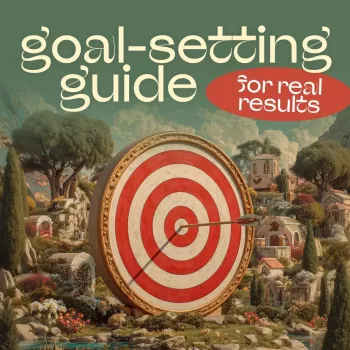
If setting targets feels fuzzy, pairing the bundle with a planning tool like the Goal-Setting Guide for Real Results can help translate “more income” into numbers, deadlines, and next actions.
Dividend investing: expectations, guardrails, and common pitfalls
- Dividends are not guaranteed: companies can reduce or suspend payouts. FINRA’s overview explains how dividends work and why policies can change (FINRA — Understanding Dividends).
- Total return matters: dividend yield alone can hide underlying business risk. A stable-looking yield can still come with price declines.
- Diversification reduces single-stock risk: consider broad exposure and position sizing rules so one holding can’t derail the plan.
- Consistency beats timing: a steady contribution plan can be more durable than trying to predict market moves. For a practical primer on saving and investing basics, see (SEC — Saving and Investing).
- Taxes and account type matter: plan for after-tax outcomes rather than headline yields. The IRS explains dividend tax treatment at a high level (IRS — Topic No. 404, Dividends).
Dividend income can be a strong long-range companion to earned income, but it typically works best when contributions are steady and the timeline is measured in years, not weeks.
Side hustles that pair well with an investing plan
What to look for when choosing any income strategy bundle
Product snapshot
View details here: The Income Multiplier Bundle.
FAQ
Is this better for beginners or people who already have a side hustle?
It works for both: beginners get structure and clear first steps, while existing side-hustlers can use it to systematize outreach and delivery, set measurable targets, and route surplus into longer-term investing.
How long does it usually take to see results from multiple income streams?
Side-hustle cash flow can begin in a few weeks with consistent outreach and a simple offer, while dividend income typically builds over months and years. The exact timeline depends on your available hours, the skill you’re monetizing, and how much you can contribute consistently.
Are dividend stocks a safe way to create passive income?
Dividend stocks can be part of a long-term plan, but dividends aren’t guaranteed and stock prices can fluctuate. Diversification, attention to total return, and aligning risk with your time horizon can help manage downside; this is general information, not personalized financial advice.











Leave a comment