Stop the Same Fight: Couples Conflict Workbook (Printable)

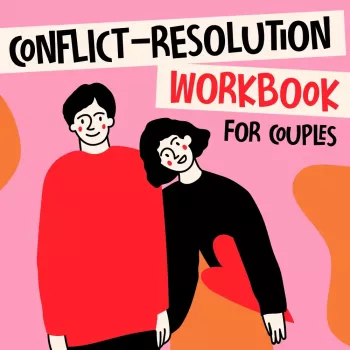
Conflict-Resolution Workbook for Couples: a calmer way to handle the same old fights
Recurring arguments often follow the same pattern: misread intentions, escalating tone, and a rushed “solution” that doesn’t stick. A structured workbook approach helps slow the moment down, clarify what each person needs, and turn conflict into a repeatable repair process—especially when emotions are high. When the process is predictable, it’s easier to stay kind, stay on topic, and actually finish the conversation with a plan you both trust.
Why conflicts repeat (and how structure changes the outcome)
Many couples don’t have “too many problems”—they have one or two loops that keep replaying. The topic changes (money, chores, in-laws, time), but the emotional pattern stays the same.
- Common loop: trigger → assumptions → defensiveness → escalation → withdrawal or criticism.
- Unspoken needs (respect, safety, reassurance, autonomy) often drive the intensity more than the surface issue.
- Structure reduces “memory battles” by separating facts, feelings, and requests, so you’re not debating who’s “right” about the past.
- A shared method creates fairness: both partners get time, attention, and accountability—even when one person is quicker with words.
Research-backed frameworks for conflict styles and stress responses can help normalize what’s happening (and why it’s so hard to stay calm). For example, the Gottman Institute’s overview of conflict styles is a helpful reference point for understanding the roles couples slip into under pressure.
Gottman Institute — Conflict Styles
What a couples conflict-resolution workbook supports
A workbook doesn’t “fix” a relationship by itself. What it can do is make the next conversation less chaotic and more actionable—so the emotional cost of conflict goes down over time.
- Listening that goes beyond waiting to respond: reflecting meaning and emotion so your partner feels understood, not managed.
- De-escalation tools: time-outs, tone resets, and repair attempts before damage compounds.
- Prompts that convert frustration into doable requests: so the next step is clear and measurable.
- Pattern awareness: spotting pursue/withdraw or criticism/defensiveness cycles and choosing a different response on purpose.
- Trust repair through consistency: reliability is rebuilt by follow-through, not one big “closure” talk.
Stress can amplify reactivity, shorten patience, and make even small issues feel urgent. If day-to-day pressure is a factor, it may help to review how stress affects relationships and emotional regulation: American Psychological Association — Stress effects on relationships.
Inside the printable relationship communication eBook
If you prefer a hands-on, reusable approach, the Conflict-Resolution Workbook for Couples (Printable Relationship Communication eBook) is designed for repeated practice—so you can revisit the same exercise after new conflicts and track what actually improves.
- Printable format for repeated use: keep copies available for “when we’re heated” moments.
- Step-by-step pages: define the issue → each person’s perspective → impact → needs → agreed next steps.
- Active listening exercises: validation and clarifying questions that reduce misinterpretation.
- Argument “post-game” pages: review what worked, what didn’t, and what to try next time.
- Trust-building check-ins: track progress and prevent backsliding into old habits.
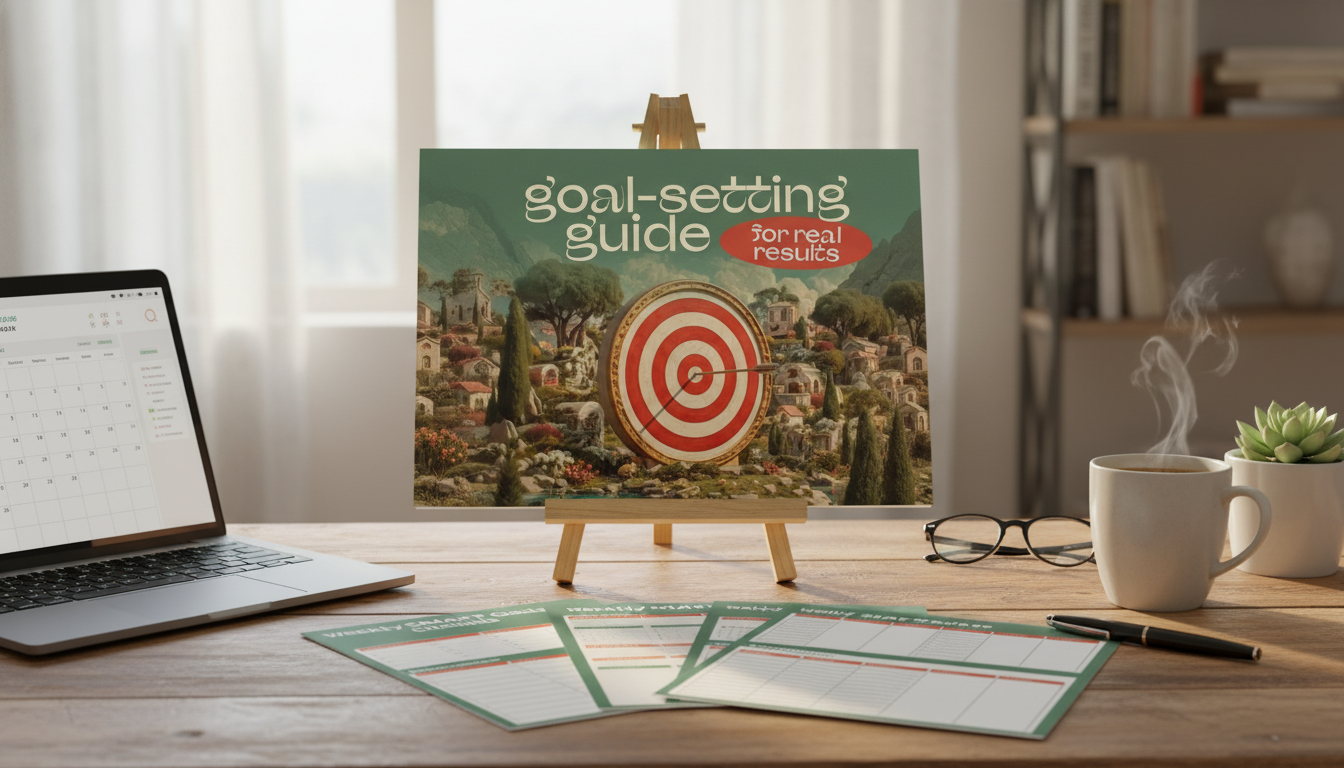
For couples who also want a simple way to align on shared priorities (money goals, family routines, household plans), pairing conflict skills with planning can reduce friction. A practical companion is the Goal-Setting Guide for Real Results – Printable Goal Planner, especially when arguments stem from unclear expectations or shifting responsibilities.
A simple process to use during a real argument
When emotions spike, you don’t need the perfect words—you need a reliable sequence. Try this lightweight structure the next time you feel the conversation tipping into “same fight, different day.”
Exercises that tend to create the fastest relief
Conflict-to-connection quick reference
| Situation | What to do in the moment | Workbook page focus | What success looks like |
|---|---|---|---|
| Same argument keeps returning | Name the repeating pattern and pick one change to test | Pattern tracker + new response plan | Less escalation; quicker repair |
| One partner shuts down | Use a timed break and return with a structured turn-taking format | Time-out agreement + re-entry script | Conversation continues without pressure |
| Tone turns sharp or sarcastic | Make a repair attempt and restate needs without blame | Repair phrases + request builder | Lower defensiveness; more openness |
| Trust feels shaky after a conflict | Agree on a small, measurable follow-through step | Trust check-in + accountability notes | Consistency over time; fewer doubts |
Who this workbook is for (and when to seek extra support)
If you’re unsure whether a situation crosses a safety line, it can help to review warning signs and support options: National Domestic Violence Hotline — Relationship safety and warning signs.
Getting started: a realistic 7-day practice plan
Recommended printables you can use right away
- Conflict-Resolution Workbook for Couples | Printable Relationship Communication eBook | Improve Listening, Resolve Arguments, Rebuild Trust
- Goal-Setting Guide for Real Results – Printable Goal Planner, SMART Goals Workbook & Productivity Template for Achievable Success
FAQ
How is a conflict-resolution workbook different from just talking it out?
A workbook provides a repeatable sequence—so you don’t rely on memory, momentum, or who talks faster. The prompts help separate feelings from requests and end with clear follow-through instead of a temporary truce.
Can a printable workbook help if one partner gets defensive or shuts down?
Yes—written prompts, time-outs, and turn-taking reduce pressure and make the conversation feel safer. When the listening partner must summarize before responding, defensiveness usually drops and re-entry becomes easier after a break.
How long does it take to see improvement?
Many couples feel some relief after a few guided conversations, especially when they use time-outs and clearer requests. Bigger change typically comes from weekly practice and tracking patterns so the “same fight” becomes easier to interrupt.









Leave a comment